Producing better quality bread is one of the most important goals for any bakery. Whether you operate an artisan bakery or a large-scale production facility, consistently delivering high-quality bread helps build customer trust, strengthen your reputation, and remain competitive in today’s bakery industry.
Achieving outstanding bread quality requires much more than following a recipe. Every stage of the baking process, from selecting ingredients and preparing the dough to fermentation, baking, and storage, has a direct impact on the final product.
In this guide, we’ll explore the essential factors that contribute to better quality bread and explain how professional techniques, proper process control, and modern bakery equipment can help improve consistency and efficiency.
At BakersMachinery.com, we help bakeries optimize their production with professional bakery equipment and expert advice tailored to every stage of the baking process.
Understanding the Importance of Bread Quality
Bread quality is one of the strongest factors influencing customer satisfaction and long-term business success. Consumers expect bread with excellent flavor, consistent texture, an attractive appearance, and freshness that lasts throughout the day.
Maintaining high quality standards not only improves customer loyalty but also strengthens your bakery’s reputation in an increasingly competitive marketplace. A bakery known for consistently producing premium bread is far more likely to generate repeat business and positive recommendations.
Several factors contribute to producing better quality bread:
- Choose High-Quality Ingredients: Premium flour, fresh yeast, clean water, salt, and carefully selected additional ingredients provide the foundation for exceptional bread.
- Standardize Production Processes: Consistent mixing, fermentation, baking, and cooling procedures reduce variability between batches.
- Monitor Customer Feedback: Listening to customer preferences allows you to continuously improve recipes and adapt your product range.
- Maintain Strict Quality Control: Regular inspections throughout production help identify issues before they affect the finished product.
- Invest in Reliable Equipment: Modern bakery machinery improves precision, consistency, and overall production efficiency.
Better quality bread is not defined only by taste. It reflects craftsmanship, attention to detail, and a commitment to delivering the best possible product every day.
Consistent bread quality builds customer confidence and creates long-term loyalty.
Discover the secrets to achieving better quality bread in your bakery business. Master kneading, proofing, and baking techniques to delight your customers with exceptional flavors and textures! Share on XMastering Kneading and Proofing Techniques

Proper kneading and proofing are fundamental steps in producing bread with excellent structure, volume, and flavor. Small adjustments during these stages can have a significant impact on the final result.
Kneading develops the gluten network responsible for dough strength and elasticity. Proper gluten development allows the dough to retain gas efficiently, resulting in a lighter crumb and better loaf volume.
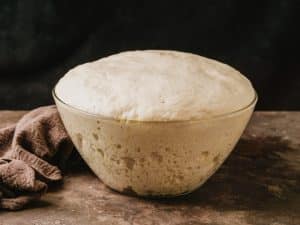
Proofing is equally important because it allows yeast activity to fully develop the dough’s flavor, aroma, and internal structure. Depending on the desired product, bakeries may use bulk fermentation, cold fermentation, overnight proofing, or controlled proofing cabinets with regulated temperature and humidity.
Successful proofing requires careful control of several variables, including dough temperature, fermentation time, yeast quantity, and environmental conditions. Even small deviations can affect consistency and product quality.
Experienced bakers also understand the importance of adapting recipes according to seasonal temperature changes, flour characteristics, and production schedules to maintain consistent results throughout the year.
Modern bakery equipment helps standardize mixing and proofing conditions, reducing variability while improving production capacity and operational efficiency.
At BakersMachinery.com, we offer professional bakery equipment designed to optimize kneading, fermentation, and dough handling for bakeries of every size.
Mastering kneading and proofing techniques creates bread with superior texture, flavor, and consistency.
Care in the presentation and preservation of bread not only appeals to the eyes but also ensures its freshness and quality over time. Learn how to visually stand out and maintain the freshness of your bread with proper production practices. Share on XImportance of Time and Temperature in Baking
Time and temperature are two of the most critical factors influencing bread quality during baking. Proper control ensures the ideal balance between crust development, crumb structure, moisture retention, and flavor.
A well-managed baking process produces bread with a crisp golden crust, an evenly baked interior, and excellent volume. Underbaking may leave the center dense or gummy, while excessive baking can create an overly dark crust and dry crumb.
Oven temperature should be carefully managed throughout the baking cycle. Many bread varieties benefit from high initial heat to maximize oven spring, followed by a gradual temperature reduction to complete baking evenly.
Steam also plays an important role during the first stage of baking by improving crust formation, enhancing volume, and creating an attractive glossy finish on many artisan breads.
Consistent baking conditions allow natural sugars, proteins, and fermentation by-products to develop the complex aromas and flavors that distinguish premium bread from ordinary products.
Modern ovens equipped with programmable controls, steam injection, and precise temperature regulation help bakeries maintain repeatable baking results while improving energy efficiency.
At BakersMachinery.com, we provide bakery equipment that helps bakeries achieve consistent baking performance while maximizing productivity.
Precise control of baking time and temperature is essential for producing consistently high-quality bread.
Bread quality is a key factor for the success of your bakery business. Understand the importance of selecting the best ingredients and mastering kneading, proofing, and baking techniques. Share on XCare in Bread Presentation and Preservation

Excellent bread deserves an equally professional presentation. Customers often judge quality before tasting the product, making visual appeal an essential part of the buying experience.
Bread should display a uniform shape, attractive scoring, an evenly colored crust, and a clean presentation that reflects the care taken during production.
Packaging also contributes significantly to product quality. Choosing appropriate materials helps preserve freshness while protecting bread during transport and display.
Proper storage conditions are equally important. Controlling temperature, humidity, and airflow helps prevent premature staling, moisture loss, or mold development while extending shelf life.
Effective inventory management, including first-in-first-out (FIFO) rotation and clear date labeling, reduces waste and ensures customers always receive the freshest products available.
Professional displays, attractive shelving, and organized merchandising further enhance the customer’s perception of quality and strengthen your bakery’s brand image.
By combining proper presentation with effective preservation practices, bakeries can maintain product quality from the oven to the customer’s table.
Final Conclusions and Recommendations
Producing better quality bread requires continuous attention to every stage of the baking process. High-quality ingredients, well-controlled fermentation, precise baking conditions, and proper product presentation all contribute to consistently outstanding results.
Improving bread quality is an ongoing process that involves monitoring production, training staff, adopting new technologies, and continually refining recipes and procedures to meet changing customer expectations.
Whether you operate a small artisan bakery or a large commercial facility, investing in quality processes and reliable equipment helps improve efficiency, reduce waste, and strengthen customer satisfaction.
At BakersMachinery.com, we offer new, used, and reconditioned bakery equipment designed to help bakeries improve consistency, productivity, and overall bread quality. Our experienced team is ready to help you find the right equipment for your specific production needs.
Explore our blog for more expert advice, industry insights, and practical resources to help your bakery produce better quality bread every day.
If you liked this article, we recommend reading:
Don’t miss these bakery and pastry trends 2023
Industrial dough mixer: why do you need one in your business?
Commercial Convection oven: explore the benefits for your business